Alljack EV charger installation electricians Central Coast

Get an EV charger installed in three steps

01
Tell us about your setup

Send a WhatsApp message with your suburb, the EV make and model, whether you have a single-phase or three-phase supply, and where you want the charger mounted. The more detail, the faster the quotes come back.

02
Get quotes from EV-experienced electricians

Alljack matches you with Central Coast electricians who install EV chargers regularly — licensed, insured, and familiar with Ausgrid network requirements, load assessment obligations, and CCEW certification for all EV installations.

03
Charge from home — tonight

Receive up to 3 competitive quotes in WhatsApp. Pick your electrician, get your charger installed with a dedicated circuit and RCBO, and receive your Certificate of Compliance for Electrical Work. Most installs are done in a single day.

EV charger reviews on the Central Coast

Verified

"Great install. No issues at all."

Zoe
Zoe
Homeowner, Gosford NSW
Verified

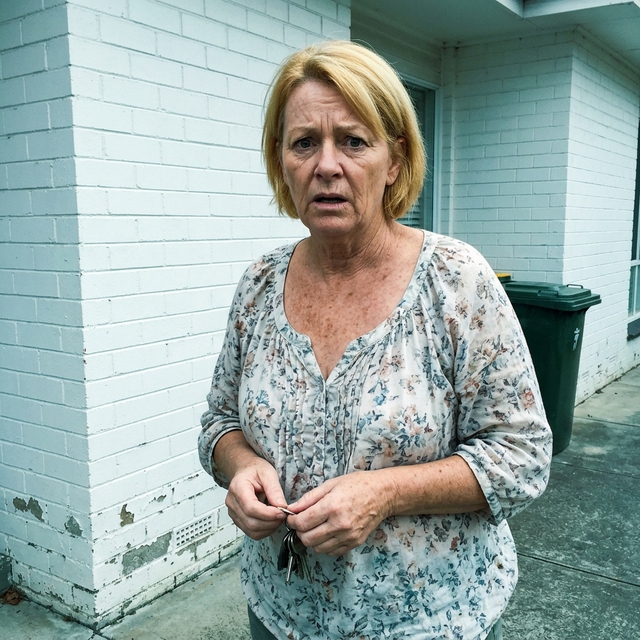
"EV charger installed in the garage. Alljack found someone who knew what they were doing. Clean job, works great."

Janine
Janine
Property Manager, Wyong NSW

5 Reasons to Install a Home EV Charger

Faster charging than a standard power point

A standard 10A GPO delivers just 2.4kW — enough for 8–10km of range per hour. A Level 2 wall charger delivers 7kW on a single-phase supply, giving you 30–50km per hour and a full charge overnight. For daily drivers on the Central Coast, a wall charger is simply essential.

Charge on off-peak tariffs to cut running costs

Many Central Coast electricity retailers offer time-of-use tariffs with rates as low as 10–16c/kWh overnight. A smart charger with Wi-Fi scheduling automatically charges during cheap periods. Over a year, this can save hundreds compared to peak-rate charging or public fast chargers.

Adds value to your property

EV ownership is growing fast across the Central Coast. A hardwired Level 2 charger with its own dedicated circuit is increasingly listed as a feature in property sales and rentals. Unlike a 10A extension cord solution, a properly installed wall charger is a permanent infrastructure improvement.

Overloading a standard GPO is a fire risk

Regularly drawing 10A continuously through a standard power point — especially through an extension lead — generates heat in wiring and connections not designed for sustained loads. In older Central Coast homes with deteriorating wiring, this is a genuine fire hazard. A dedicated circuit eliminates the risk entirely.

Charge from your solar panels

Many Central Coast homes have rooftop solar. A smart EV charger can integrate with your solar system to charge your car when excess solar generation is available, effectively charging for free. This requires a compatible charger and, optionally, a solar-integrated energy management system — your electrician can advise on compatibility.

Top Rated EV Charger Electricians on the Central Coast

1

Gunter Electrical

Central Coast · EV charger specialist · Level 2 wall charger installs, dedicated circuits, switchboard load assessments & CCEW certification across the region

★★★★★ 5.0
2

Central Coast Electrical Services

Gosford · Home EV charger installations · Smart charger setup, solar integration & off-peak scheduling for Gosford & surrounds

★★★★★ 4.9
3

Peninsula Electrical

Woy Woy · EV charger supply & install · Tesla, BYD, MG, Hyundai & all brands · Peninsula, Gosford & surrounds

★★★★★ 4.9
4

Wyong Coast Electrical

Wyong · EV charger installs & switchboard upgrades · Multi-unit EV charging setups for strata & townhouse complexes

★★★★★ 4.8

What Does EV Charger Installation on the Central Coast Involve?

EV adoption on the Central Coast

EV ownership is growing rapidly across the Central Coast, with suburban sprawl and commutes to Sydney making home charging essential. The Ausgrid network supplies all of the Central Coast — and unlike some metropolitan areas, most homes here are single-phase, which means a 7kW Level 2 charger is the standard recommendation. Public fast charging is limited outside Gosford, Wyong, and the M1 corridor, making a home charger a near-necessity rather than a convenience.

Standard supply Single-phase 240V (most CC homes)
Typical charger Level 2, 7kW, Type 2 connector
Range per hour 30–50km (vehicle dependent)
Network distributor Ausgrid (whole Central Coast)

How electricians install them

Every EV charger installation requires a licensed electrician. The job typically starts with a load assessment to check your switchboard can handle the extra demand. A dedicated 32A circuit is run from the switchboard to the charger location, with an RCBO (residual current breaker with overcurrent protection) installed. The charger unit is then mounted and wired, tested, and a CCEW is issued. Smart chargers are configured for Wi-Fi and, where applicable, solar integration.

Load assessment switchboard capacity check Included in quote
Dedicated 32A circuit switchboard to charger point Required
RCBO installation at switchboard Type A, AS/NZS 3000
Mount, wire & test charger + CCEW All installs

What it costs on the Central Coast

Charger unit (Level 2, 7kW, Type 2) $800–$1,500 Supply
Electrician labour (standard install, circuit & RCBO) $700–$1,500 Half–full day
Total standard install (charger + labour + CCEW) $1,450–$2,400 1 day
Switchboard upgrade needed (add if no spare capacity) +$800–$2,500 Additional
Total with switchboard upgrade $2,900–$4,900+ 1–2 days

Compliance, approvals & rebates

A standard wall-mounted EV charger at a residential property is exempt development under NSW planning rules — no council DA is required. A Certificate of Compliance for Electrical Work (CCEW) is mandatory for all installations. Note that the NSW Government’s residential EV charger rebate program ended 31 December 2025 — there is currently no active rebate. However, many energy retailers now offer EV-specific time-of-use tariffs that significantly reduce charging costs overnight.

Council DA required? No — exempt development
CCEW required? Yes — all installs
NSW rebate (residential) Ended Dec 2025 — not available
Off-peak tariff savings Check with your retailer at install

EV Charger Central Coast FAQs

How much does EV charger installation cost on the Central Coast?

A standard Level 2 (7kW) home EV charger installation on the Central Coast typically costs $1,450–$2,400 in total — the charger unit ($800–$1,500) plus electrician labour ($700–$1,500). If your switchboard needs upgrading to accommodate the extra load, add $800–$2,500, bringing the total to $2,900–$4,900+. With Alljack you get 3 competitive quotes to compare before committing.

Do I need council approval to install an EV charger on the Central Coast?

In most cases, no. A standard residential wall-mount EV charger is exempt development under NSW planning rules — no DA is required. However, a Certificate of Compliance for Electrical Work (CCEW) is mandatory for all installations. Your electrician will issue this upon completion. If you are in a strata property, check with your strata manager about by-law requirements before proceeding.

Are there any EV charger rebates available in NSW in 2026?

The NSW Government’s residential EV charger rebate program ended on 31 December 2025. As of early 2026, there is no active NSW Government rebate for home EV charger installation. However, many electricity retailers offer EV-specific time-of-use tariffs with low overnight rates. Ask your retailer about EV tariffs when getting your charger installed — the savings over time can be significant.

What type of EV charger is best for home use on the Central Coast?

For most Central Coast homes (single-phase supply), a Level 2 wall charger with a Type 2 (IEC 62196) connector delivering 7kW is the standard recommendation. This gives 30–50km of range per hour — enough for a full charge overnight. Smart chargers with Wi-Fi scheduling let you charge during off-peak tariff windows. If you have rooftop solar, a solar-integrated charger can let you charge from excess solar generation for minimal cost.

Also need other electrical work on the Central Coast?